



4 hi дрессировочный стан
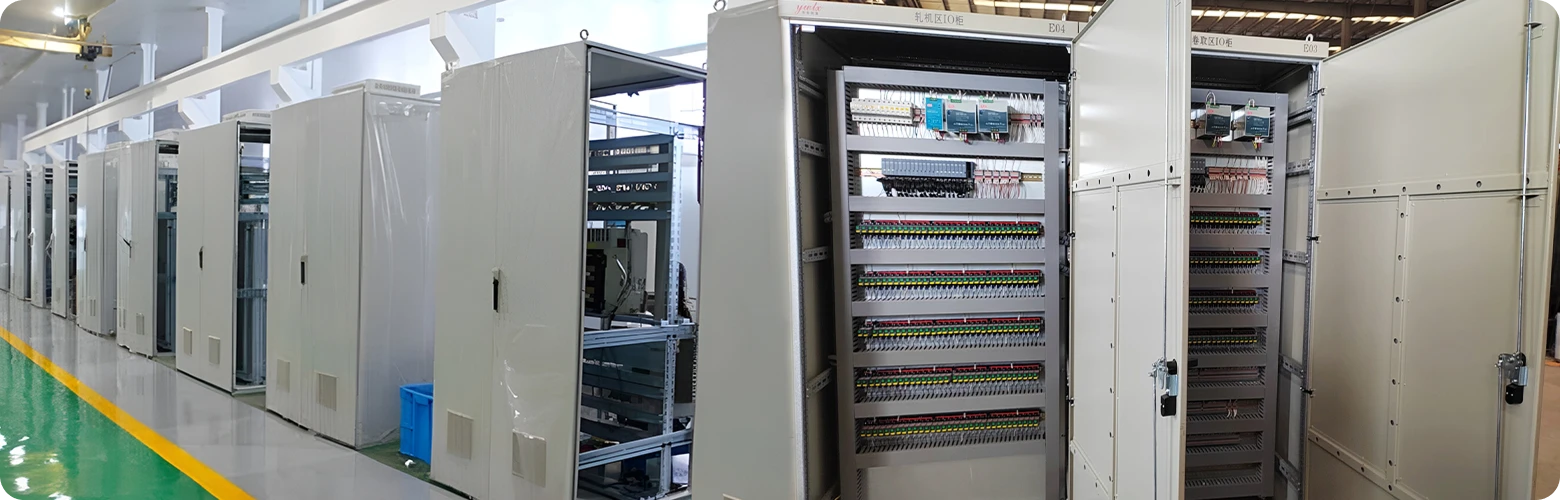
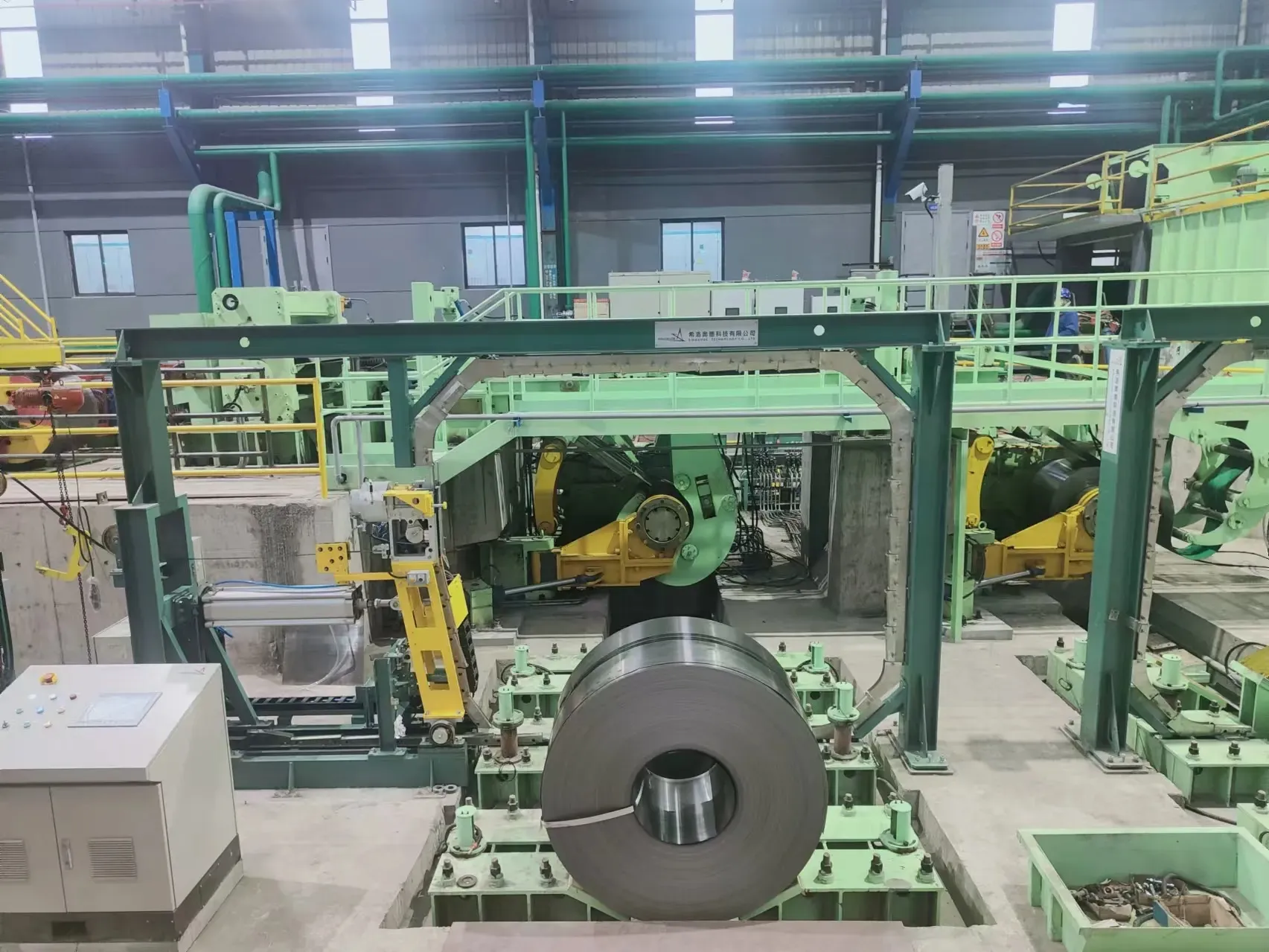
The steel industry's relentless pursuit of precision and efficiency has driven significant advancements in skin pass mill automation and control systems. Modern 4 hi skin pass mill installations now incorporate sophisticated automation architectures that integrate seamlessly with advanced AGC system (Automatic Gauge Control) technology to deliver unprecedented levels of product consistency and operational efficiency. This technological evolution represents a fundamental shift from traditional manual operation to fully integrated digital control systems that optimize every aspect of the skin pass rolling process. The integration of automation and AGC system technologies has transformed skin pass mill operations from a simple finishing process into a precision engineering system capable of micron-level control. These advanced systems not only regulate thickness with exceptional accuracy but also actively compensate for material variations, equipment wear, and process disturbances. The synergy between automation and gauge control becomes particularly critical in specialized applications such as hot skin pass mill configurations, where temperature effects add another layer of complexity to the control challenge. Core Automation Architecture in Skin Pass Mills The foundation of modern skin pass mill automation lies in its hierarchical control structure that coordinates multiple subsystems into a cohesive operation. At the base level, high-speed programmable logic controllers manage the real-time operation of hydraulic systems, roll positioning mechanisms, and tension controls. These systems feed data upwards to sophisticated process controllers that implement the AGC system algorithms while maintaining constant communication with plant-wide manufacturing execution systems. This architecture enables the 4 hi skin pass mill to operate as an intelligent system rather than just a mechanical processor of steel strip. The mill continuously adjusts its parameters based on incoming material characteristics, historical performance data, and real-time quality measurements. Advanced predictive models running in the background anticipate required adjustments before variations manifest in the product, creating a proactive rather than reactive control environment. Automatic Gauge Control System Integration in Skin Pass Mills The modern AGC system in skin pass rolling operations has evolved into a comprehensive thickness and shape management solution that goes far beyond simple feedback control. These systems now incorporate multiple control methodologies that work in concert to maintain dimensional precision throughout the entire production run. Monitor AGC continuously compares actual measurements with target values to make precise corrections, while feed-forward AGC uses upstream measurement data to anticipate and compensate for incoming variations. Mass flow AGC maintains consistent volume throughput by coordinating mill speed with reduction ratios, ensuring stable processing conditions even during speed transitions. The most advanced implementations include shape-compensating AGC that works in harmony with flatness control systems to simultaneously manage both thickness profile and strip shape. This level of integration is particularly critical in 4 hi skin pass mill configurations where the interaction between roll forces and strip flatness requires careful coordination. Adaptive Process Optimization Technologies in Skin Pass Mills Modern skin pass mill automation systems employ sophisticated adaptive control technologies that continuously optimize the rolling process based on real-time operating conditions. These intelligent systems dynamically adjust rolling parameters to compensate for gradual changes in work roll surface condition, ensuring consistent product quality throughout extended production runs. The automation platform monitors subtle trends in rolling force data to detect and compensate for roll wear before it affects product quality. Temperature-adaptive algorithms automatically recalibrate the skin pass rolling process when handling materials with different thermal characteristics, maintaining consistent mechanical properties regardless of ambient conditions or processing history. This capability proves especially valuable in hot skin pass mill applications where temperature variations significantly influence material behavior. The system's learning algorithms accumulate process knowledge over time, enabling increasingly precise control as the mill gains experience with specific material grades and product requirements. Advanced Sensor Networks and Data Integration of Skin Pass Mills The effectiveness of automated skin pass mill systems relies heavily on comprehensive sensor networks that provide accurate, real-time process data. High-resolution thickness measurement systems employing advanced laser and X-ray technologies capture precise dimensional data at multiple points along the strip path. These measurements feed directly into the AGC system , enabling micron-level control of product gauge throughout the entire coil length. Surface inspection systems utilizing high-speed cameras and specialized lighting configurations monitor strip surface quality, detecting and classifying any imperfections that might affect final product performance. Flatness measurement devices provide continuous feedback on strip shape, allowing the automation system to coordinate roll gap adjustments with tension control for optimal flatness results. All these measurement systems integrate seamlessly with the mill's control architecture, creating a closed-loop quality assurance system that maintains consistent product characteristics despite variations in incoming material. Skin Pass Mills : Integration with Production Line Systems The automated skin pass mill does not operate in isolation but rather as an integrated component of a complete production line. Modern control systems maintain constant communication with both upstream and downstream processes to optimize overall line performance. This integration is particularly evident in the coordination between the skin pass rolling process and subsequent automatic packaging systems , where dimensional and surface quality data from the mill directly informs packaging parameters. The mill's automation system shares critical process data with plant-wide manufacturing execution systems, enabling comprehensive production tracking and quality assurance. This data integration supports advanced analytics applications that identify optimization opportunities and predict maintenance requirements. The system's ability to communicate with enterprise resource planning software ensures that production scheduling aligns with material requirements and delivery commitments. Human-Machine Interface Evolution of Skin Pass Mills The operator interface for modern skin pass mill systems has evolved significantly from traditional control panels to sophisticated workstation environments that present complex process data in intuitive formats. Advanced visualization systems provide operators with comprehensive overviews of mill performance, highlighting key parameters and alerting them to developing situations before they become problems. The interface allows seamless transition between automatic operation and manual override, giving operators the tools they need to handle exceptional circumstances. Decision-support features within the interface present operators with recommended actions based on system diagnostics and predictive analytics. The system captures and analyzes operator interventions, using this information to refine its automatic control strategies. This collaborative approach between human expertise and machine intelligence maximizes both system performance and operational flexibility. The integration of advanced automation and AGC system technologies has transformed skin pass mill operations into precision engineering systems that consistently deliver high-quality product with minimal human intervention. From basic skin pass rolling applications to specialized hot skin pass mill configurations, these intelligent systems adapt to varying production requirements while maintaining tight quality standards. The seamless coordination with downstream processes like automatic packaging systems ensures that the quality achieved in the mill is preserved through to the final product. As these technologies continue to evolve, we can expect even greater levels of precision, efficiency, and adaptability in skin pass mill operations. The steel industry's ongoing digital transformation will further enhance the capabilities of these systems, ensuring they remain at the forefront of precision strip processing technology. The future of skin pass rolling lies in increasingly intelligent automation systems that not only control the process but also continuously learn and optimize their performance, driving ever-higher levels of quality and productivity.

We have successfully executed over 500
projects around the world,
many first-of-their-kind
research projects and products in China, including
We have successfully executed over 500
projects around the world,
many first-of-their-kind
research projects and products in China, including
-
2004
The 1st hydraulic AGC system for hot rolling of ribbon steel
-
2006
The 1st AFC system used for 1450mm skin pass mill
-
2009
The 1st 5-stand tandem line with 2-stand POR & Uncoiler for 650mm ribbon steel
-
2012
The 1st reversing mill for 1380mm strip
-
2016
The 1st soft-rolling system used in skin pass mill
-
2019
The 1st fully automated medium-width tandem cold rolling mill
-
2021
The 1st 5000KN Twin-stand double skin pass mill
-
2022
The 1st coupled pickling line & tandem cold mill with two modes - big roller & small roller

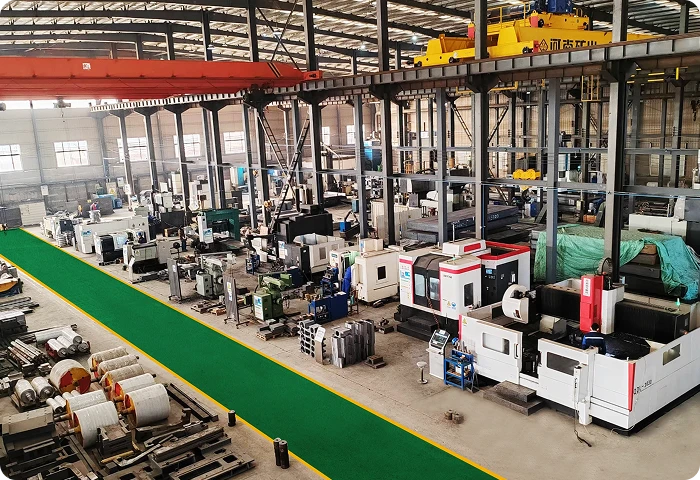
Yang Wang Li Xin operates a state-of-the-art facility over 66,000 square meters,and our manufacturing facility is fully equipped with high-tech machinery and high-capacity cranes. This enables us to handle large work pieces measuring 4.5m in width, 10m in length, and 1.5m in height, guaranteeing our capacity to produce 1800mm skin-pass mills and 1450mm rolling mills. The individual piece can weigh up to 100 tons.

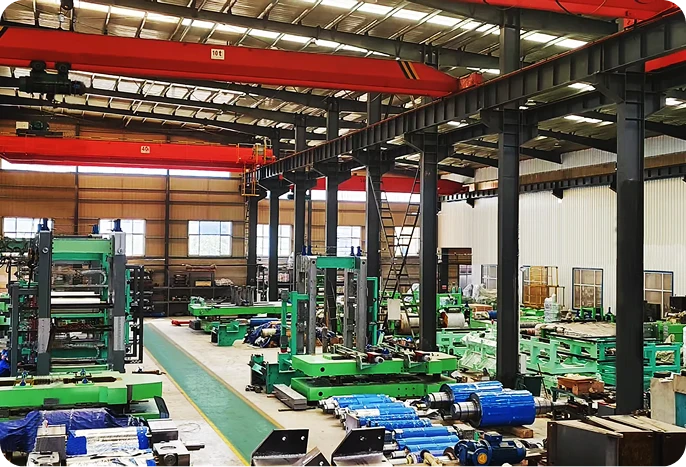

Quality is fundamental to the enterprise survival. We have established a comprehensive and meticulous quality management system and have successfully obtained ISO14000 certification. Starting from the design source, it supervises the entire production cycle, including design, procurement, processing, assembly, in-factory testing, installation, and online commissioning. The workshop is equipped with measuring tools like vernier calipers, spectrometers, hardness testers, and ultrasonic flaw detectors. They are used to check materials and control tolerances to ensure the final equipment meets or exceeds requirements. All products have a unique code, This enables the easy identification and traceability of the equipment components and ensures full control of quality.


-
 pdf مطحنة الدرفلة الباردةThe Cold Rolling Mill An Overview Cold rolling mills are essential components in the metalworking industry, playing a crucial role in the production of various metal sheets and strips. Unlike hot rolling, which involves the deformation of metal at elevated temperatures, cold rolling is performed at room temperature, allowing for enhanced control over dimensions and surface finish. This article exp
 -
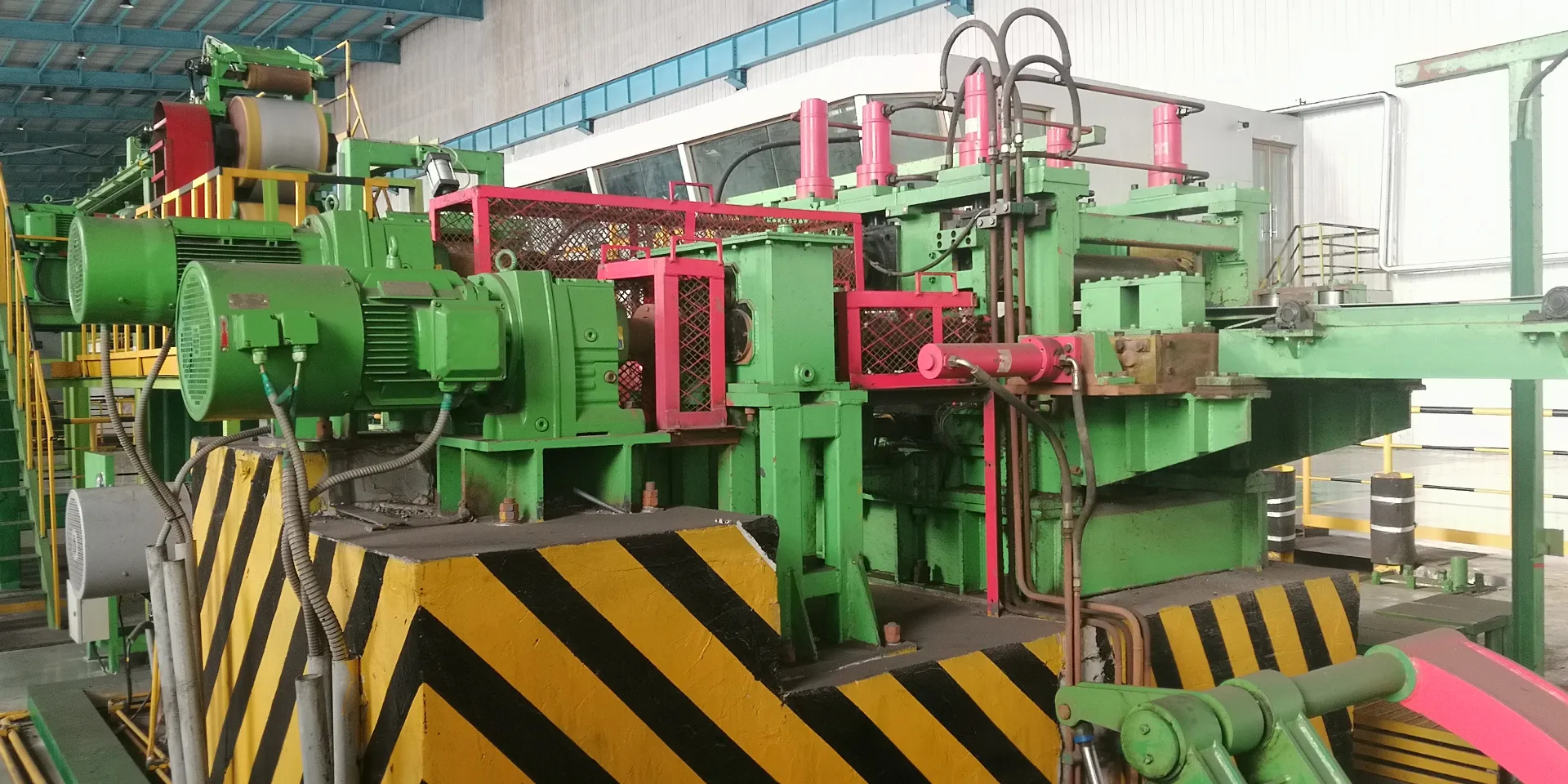 Enhancing Thickness Tolerance in Rolled Sheet Metal through the Strategic Application of a Temper MillIn the highly precise world of metal strip production, achieving and maintaining tight thickness tolerance is a paramount objective. Variations in gauge, even on a microscopic level, can lead to significant downstream problems in forming, stamping, and coating processes, ultimately rejecting what would otherwise be a sound product. While hot rolling and initial cold rolling processes reduce the ma
 -
 Cold Rolling Cladding Mill - YWLX | Energy-Efficient Eco-Friendly ManufacturingDiscover how Cladding Rolling Mill from Shijiazhuang Yangwang Mechanical and Electrical Technology Co., Ltd. is revolutionizing the production of bimetallic and triple-metal materials. This cutting-edge technology combines energy efficiency, environmental sustainability, and precision engineering to meet the demands of modern industries. Technical Features of the Cladding Rolling Mill The Cladding


